




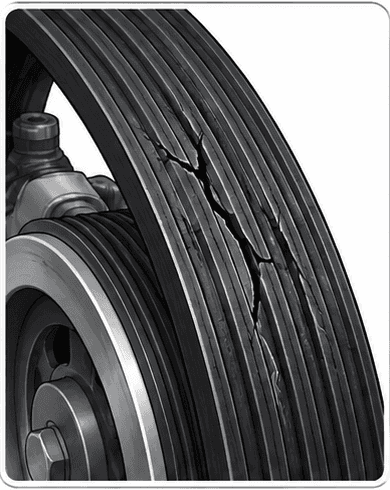
Cracked or Worn Belt
Cracks, fraying, glazing or visible wear can indicate that a serpentine or drive belt is approaching the end of its service life.
If your vehicle is making unusual belt noises, showing signs of a fluid leak, running hot, or showing visible wear on a belt or hose, the issue may be more than routine maintenance. Belts, hoses, and fluids work together to protect critical vehicle systems, and proper inspection helps identify the actual cause before a small problem becomes a major repair.
Belts, hoses and fluids are connected to some of your vehicle's most important systems. A noise, leak, warning light or overheating concern can have more than one possible cause, which is why proper inspection matters before parts are replaced.
Professional inspection can identify worn components, leaks, low fluid levels and contamination before a small maintenance issue becomes a major repair.
Some problems start with a noise, smell, visible leak or change in vehicle performance. If you notice one of these warning signs, having the affected system inspected can help prevent a more serious failure.
Cracks, fraying, glazing or visible wear can indicate that a serpentine or drive belt is approaching the end of its service life.
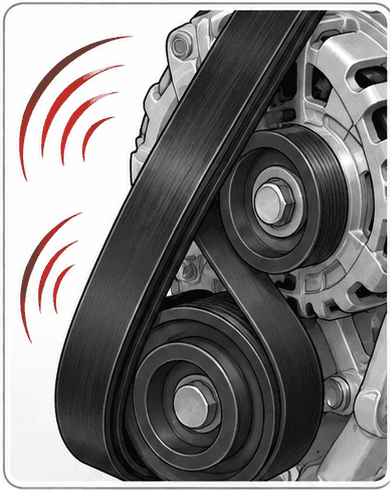
A squealing or chirping noise can come from belt wear, tension, alignment or a related pulley or accessory component.
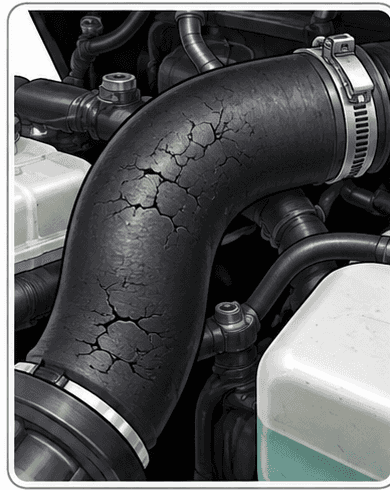
Soft spots, cracks, swelling and deterioration can allow a hose to leak or fail, especially under operating pressure and heat.
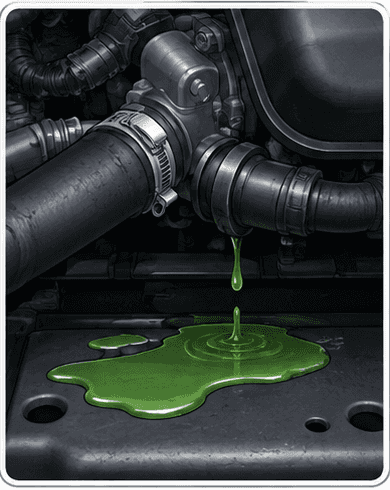
Low coolant or visible coolant leakage can reduce cooling-system performance and increase the risk of engine overheating.
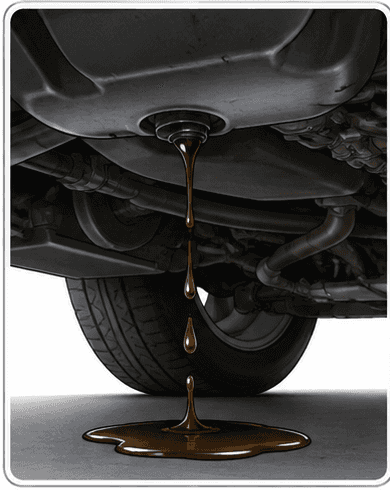
Puddles, spots or fluid residue should be identified promptly because different fluids can point to very different repair needs.
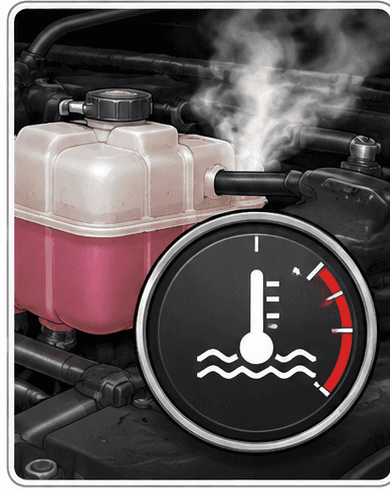
Overheating can be related to low coolant, a leaking hose, belt or cooling-system problem and should be evaluated promptly.
Belts, hoses and fluids affect critical vehicle systems. Our technicians use professional inspection procedures and manufacturer-recommended service practices to help identify the actual maintenance need.
Our technicians are trained to inspect and service modern vehicle systems using manufacturer-recommended procedures.
We use fluids and replacement components selected to meet applicable manufacturer specifications for the vehicle.
Professional inspection helps identify wear, leaks, contamination and related concerns before they become larger repairs.
Service recommendations can be supported by detailed inspection information so you can better understand what your vehicle needs.
We service Chrysler, Dodge, Jeep and Ram vehicles with familiarity across their maintenance requirements and systems.
We focus on identifying what your vehicle actually needs rather than recommending parts based only on a symptom.
Modern vehicles rely on multiple belts, hoses and fluid systems working together. Proper maintenance can help protect the engine, cooling system, accessory drive, transmission and other expensive components.
Whether you drive a Chrysler Pacifica, Dodge Durango, Jeep Grand Cherokee, Jeep Wrangler, Ram 1500, Ram 2500 or another vehicle, our team can inspect the condition of the systems that keep it operating reliably.
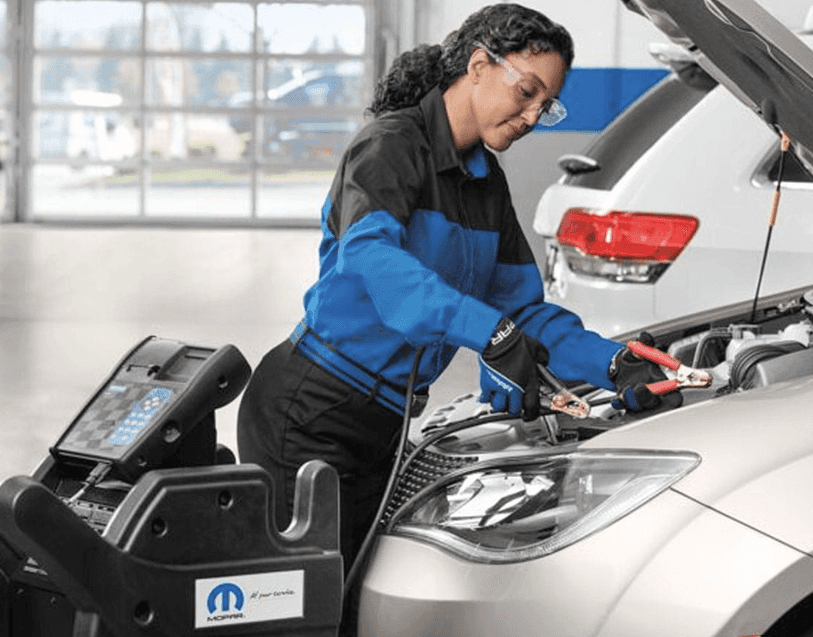
We use a systematic inspection process to identify wear, leaks and maintenance needs before recommending the appropriate service.
Inspect belts, hoses, reservoirs, connections and accessible components for visible wear, damage or leakage.
Evaluate belt condition, hose condition and fluid level or condition where applicable to the vehicle.
Identify the likely source of a noise, leak, overheating concern or other symptom before recommending parts.
Perform the recommended maintenance or repair and verify the affected system is operating properly.
There is no single service interval that applies to every vehicle. Inspection timing depends on the vehicle, mileage, climate, driving conditions, fluid type and manufacturer recommendations.
Manufacturer recommendations can vary by vehicle and fluid type. Regular maintenance inspections help identify components that are wearing before they fail unexpectedly.
If you're unsure whether your vehicle's belts, hoses or fluids need attention, a professional inspection can help determine the correct next step.
Schedule an InspectionTurlock Chrysler Dodge Jeep Ram proudly serves drivers throughout Turlock and surrounding Central Valley communities. Whether you need routine maintenance or have a belt, hose, leak or overheating concern, our service team can help identify what your vehicle needs.
Belts should be inspected regularly and replaced according to the vehicle manufacturer's recommendations or sooner if cracks, fraying, glazing, noise or other signs of wear are found.
Squealing or chirping, visible cracking or fraying, loss of accessory operation and other drive-system symptoms can indicate a belt or related component concern.
Cracks, swelling, soft spots, leaks, deterioration or repeated loss of coolant can indicate that a hose should be inspected and possibly replaced.
Vehicle fluids lubricate, cool, clean and protect critical systems. Low, degraded or contaminated fluids can contribute to premature wear and component failure.
Depending on the vehicle, regularly inspected fluids may include engine oil, coolant, brake fluid, transmission fluid, power steering fluid where applicable, and windshield washer fluid.
Yes. Low coolant can reduce the cooling system's ability to control engine temperature and may lead to overheating and serious engine damage if the condition is not corrected.
We use fluids and replacement components selected to meet applicable manufacturer specifications and follow recommended service procedures whenever applicable.
Yes. Turlock Chrysler Dodge Jeep Ram provides service for Chrysler, Dodge, Jeep and Ram vehicles as well as other makes and models.
Belts, hoses and fluids are connected to many of the systems your vehicle relies on every day.
Inspect and service the cooling system when your vehicle is overheating, losing coolant or showing temperature concerns.
Battery, alternator and starting-system concerns can overlap with belt and accessory-drive symptoms.
Regular oil service helps maintain lubrication and protect critical engine components.
Inspect charging-system concerns when belt noise, electrical symptoms or warning lights appear together.
Transmission fluid condition and service requirements vary by vehicle and operating conditions.
Keep up with manufacturer-recommended maintenance designed for your vehicle's mileage and service needs.
