




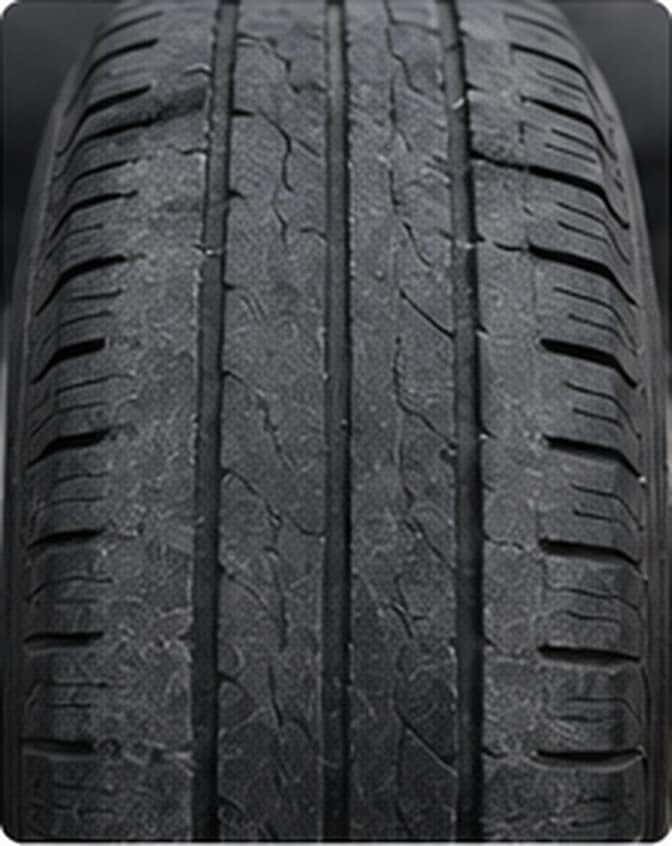
Uneven Tire Wear
Irregular tread wear can indicate improper inflation, wheel alignment concerns, balancing problems or suspension wear.
Your tires are one of the most important safety components on your vehicle. Proper tire maintenance helps improve braking performance, handling, ride quality, fuel efficiency, and overall driving confidence. If you are seeing uneven wear, losing tire pressure, feeling vibration, or noticing reduced traction, a professional inspection can help identify the cause before a tire problem becomes a larger safety issue.
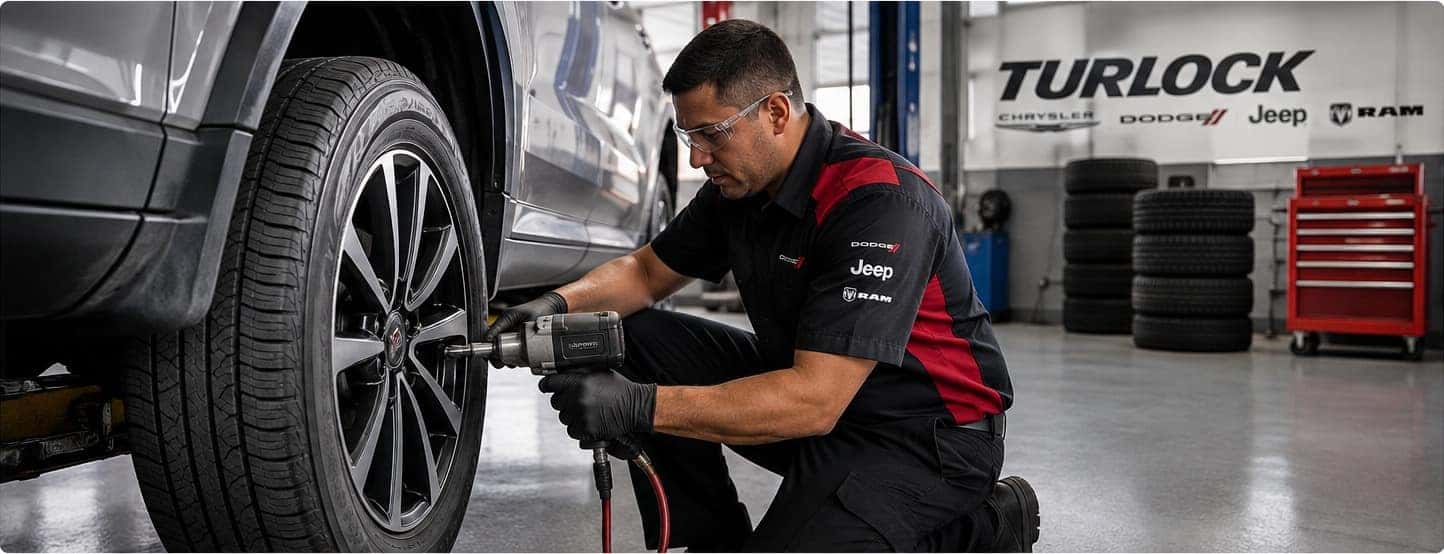
Changes in tire appearance, pressure, ride quality or handling can be early indicators of a tire, wheel, alignment or suspension concern.
Irregular tread wear can indicate improper inflation, wheel alignment concerns, balancing problems or suspension wear.
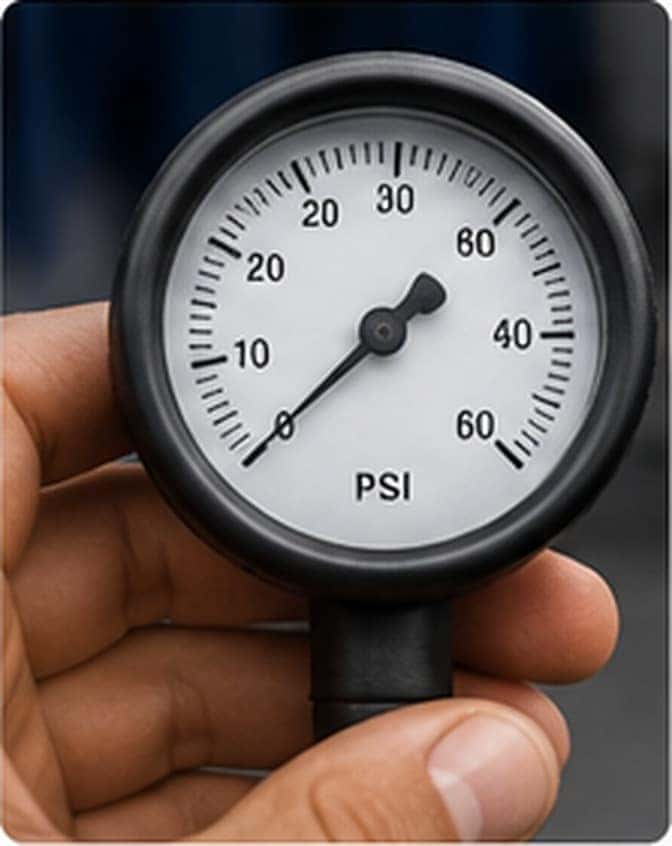
Persistent pressure loss can be caused by a puncture, damaged wheel, leaking valve stem, temperature change or TPMS concern.
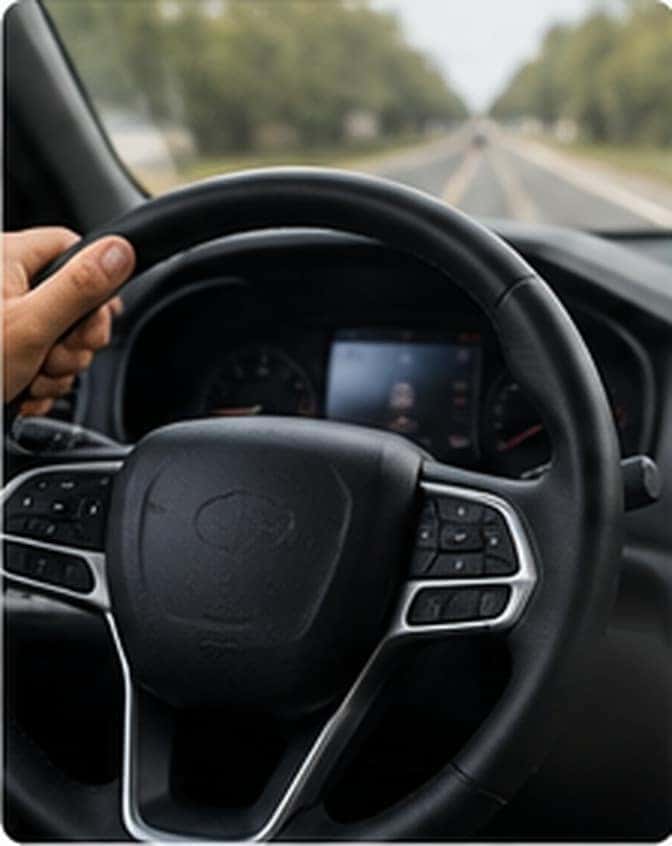
Vibration at certain speeds can be related to wheel balance, tire condition, suspension components or alignment.
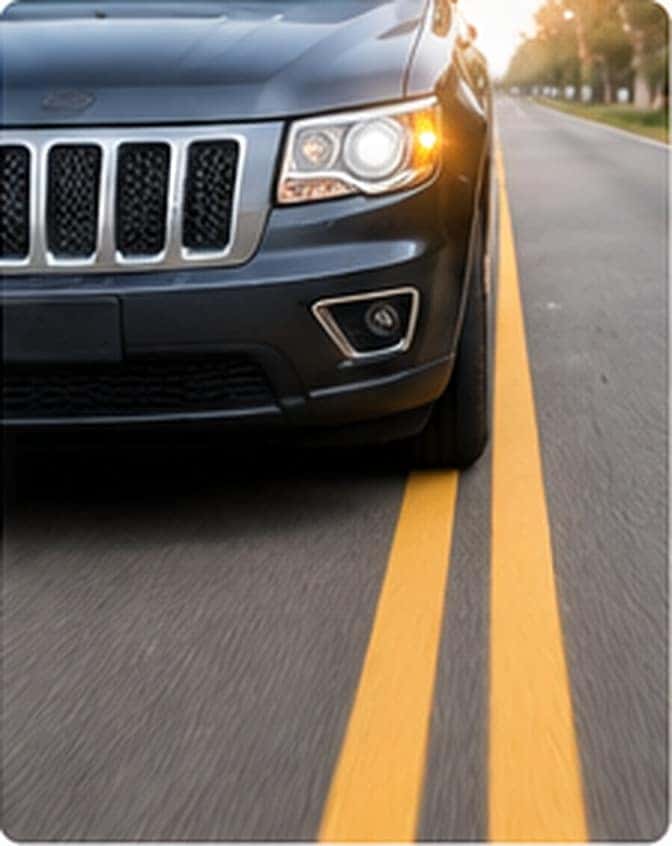
If your vehicle pulls left or right, tire pressure, alignment, tire condition and suspension should be evaluated.
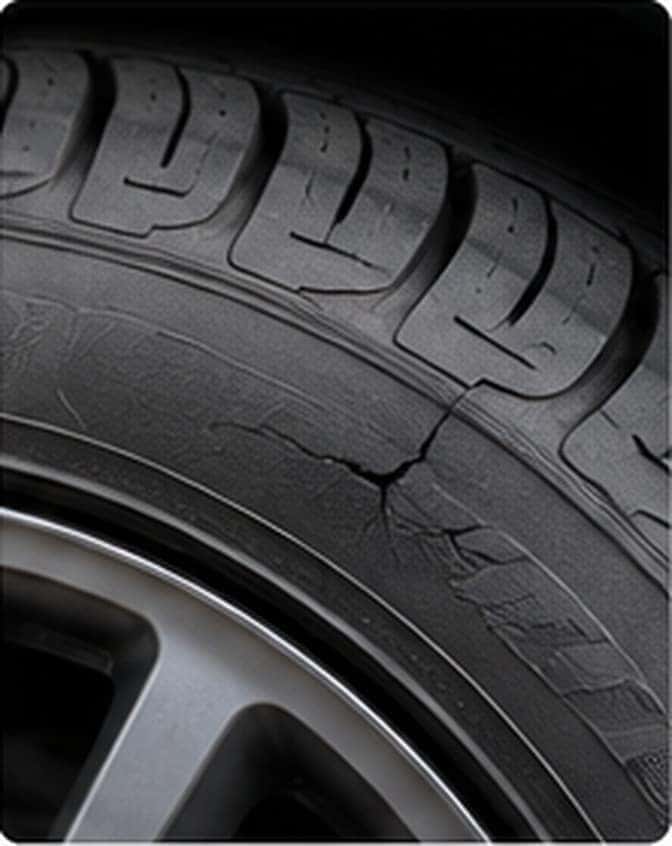
Sidewall cracking, cuts, bulges and other visible damage can compromise tire integrity and should be inspected promptly.
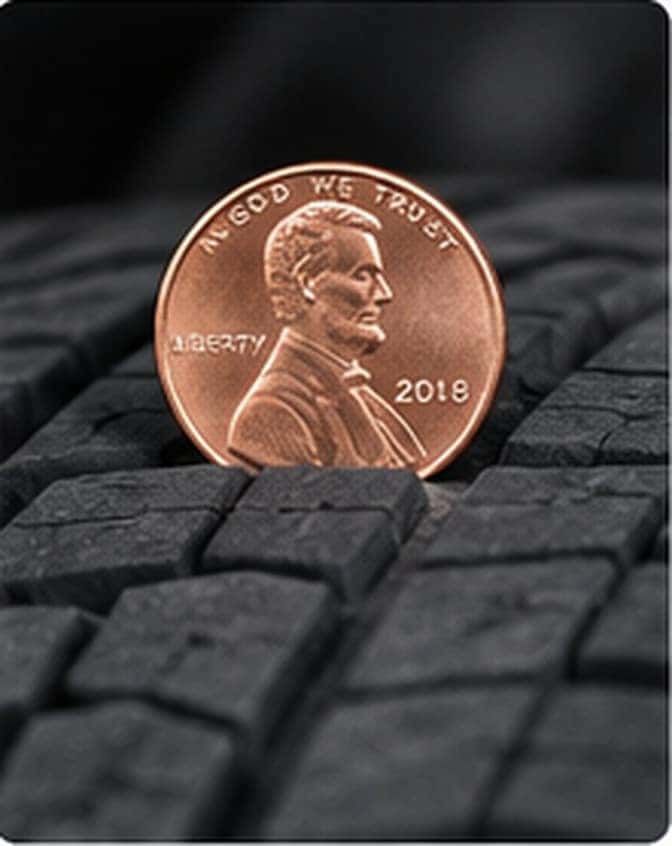
Low tread depth can reduce wet-weather traction, braking performance and handling, especially as tires approach the end of their service life.
From routine maintenance to tire repair and replacement, our service team can help keep your vehicle's tires performing safely and consistently.
Evaluate tread depth, inflation, wear patterns, sidewall condition and overall tire condition.
Routine rotation helps distribute tread wear more evenly and can help maximize tire life.
Wheel and tire balancing can reduce vibration, improve ride comfort and support even tire wear.
When a tire is repairable, proper inspection helps determine whether repair is an appropriate option.
We can help identify tire options that match your vehicle's specifications, driving needs and performance requirements.
Persistent pressure warnings should be investigated to determine whether the issue is pressure, a tire leak or the monitoring system.
Wheel damage and tire condition can affect vibration, pressure retention, handling and overall safety.
Our team can help match tire size, load requirements and performance needs to your vehicle.
Our service team combines trained technicians, professional equipment and vehicle-specific knowledge to help diagnose tire and related chassis concerns accurately.
Our technicians evaluate tread wear, inflation, balance indicators, tire condition and related vehicle concerns.
We help match tire options to vehicle specifications, load requirements, performance needs and driving conditions.
Our team follows professional procedures for tire inspection, balancing, rotation, repair and replacement.
Service recommendations can be supported by detailed inspection information so you can better understand what your vehicle needs.
We focus on identifying the cause of a tire concern before recommending repair, replacement or related service.
We provide tire inspections, repairs, balancing, rotations and replacement services for virtually all makes and models.
Tires are directly connected to braking, handling, ride quality and vehicle stability. Proper tire maintenance is about more than replacing worn rubber—it also means identifying the conditions that caused the wear in the first place.
Whether you drive a Chrysler Pacifica, Dodge Durango, Jeep Grand Cherokee, Jeep Wrangler, Ram 1500, Ram 2500 or another vehicle, our team can inspect the tires and related systems that help keep you safely on the road.
A professional tire inspection looks beyond tread depth to evaluate the conditions that can affect tire life, handling and safety.
Measure and evaluate tread depth and overall tread condition.
Verify tire inflation and investigate persistent pressure loss.
Look for center wear, edge wear, cupping, feathering and other patterns.
Inspect sidewalls, tread, damage, cracking, bulges and other visible concerns.
Evaluate vibration concerns and indicators of wheel or balance problems.
Identify wear patterns that may point to alignment or suspension concerns.
Investigate tire-pressure warning lights and related pressure concerns.
Provide a clear recommendation for repair, maintenance, rotation or replacement.
Unusual tread wear can be an early indicator of an underlying vehicle or inflation problem. Identifying the pattern can help determine the next step.
| Wear Pattern | Possible Concern |
|---|---|
| Center Wear | May be associated with overinflation. |
| Edge Wear | May be associated with underinflation. |
| Cupping | May indicate balance, wheel or suspension concerns. |
| Feathering | Can be associated with alignment issues. |
Regular tire inspections, proper inflation, rotation and balancing can help maximize tread life and maintain consistent handling.
Turlock Chrysler Dodge Jeep Ram proudly serves drivers throughout Turlock and surrounding Central Valley communities with professional tire inspections, repair, balancing, rotation and replacement services.
Many manufacturers recommend tire rotation at intervals around 5,000 to 8,000 miles, but the correct interval depends on the vehicle and tire requirements. Follow the maintenance schedule for your specific vehicle.
Low tread depth, uneven wear, sidewall damage, cracking, bulges, persistent vibration and reduced traction can all indicate that a tire should be inspected for possible replacement.
Yes. Uneven wear can be associated with improper inflation, wheel balance, alignment, suspension wear or other vehicle conditions. Inspecting the wear pattern can help identify the cause.
Steering wheel vibration can be related to wheel balance, tire defects, tire wear, suspension components or alignment concerns. A professional inspection can help determine the source.
TPMS stands for Tire Pressure Monitoring System. It monitors tire pressure and alerts the driver when pressure falls below the vehicle's specified threshold.
An alignment is not automatically required with every tire replacement, but it may be recommended when wear patterns or handling concerns indicate an alignment issue. Correct alignment can help maximize tread life and vehicle stability.
Yes. Underinflated tires increase rolling resistance, which can reduce fuel efficiency and accelerate tread wear.
Yes. Turlock Chrysler Dodge Jeep Ram provides tire inspections, repairs, balancing, rotations and replacement services for virtually all makes and models.
Tire concerns can sometimes be connected to alignment, suspension and other vehicle maintenance needs.
Alignment concerns can contribute to uneven tire wear, pulling and handling changes.
Suspension wear can affect tire wear, ride quality, handling and vehicle stability.
Proper tires and properly functioning brakes work together to support safe stopping performance.
Keep your vehicle's starting and electrical systems operating reliably with professional battery service.
Routine maintenance helps protect the engine and keep your vehicle performing properly.
Follow the manufacturer's recommended maintenance schedule for your vehicle and mileage.
