





Engine Overheating
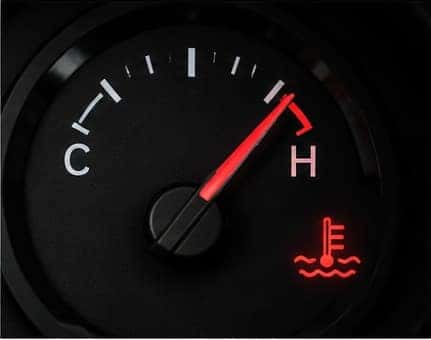
An engine temperature gauge that climbs into the hot range can indicate a serious cooling system problem.
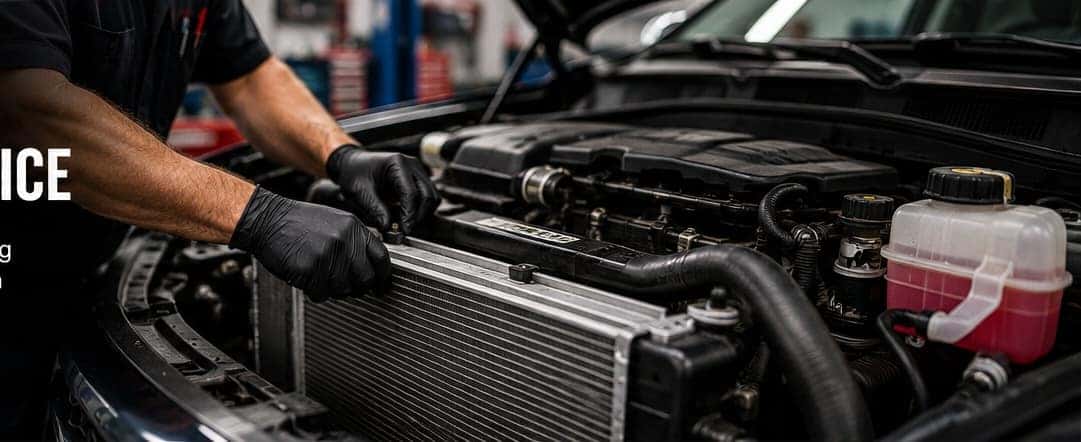
Your vehicle's cooling system protects the engine from overheating and helps maintain proper operating temperatures during every drive. A failing radiator, coolant leak, thermostat problem, or water pump issue can quickly lead to expensive engine damage if left untreated.
Your vehicle's cooling system is made up of multiple components that work together to regulate engine temperature. A problem with one component can create symptoms that appear to come from another.
A vehicle that is overheating does not necessarily need a radiator. The cause could be a coolant leak, thermostat, water pump, cooling fan, restricted radiator, or another cooling-system concern. Proper testing helps identify the actual cause before parts are replaced.
Cooling system problems can begin with changes in engine temperature, coolant level, vehicle performance, or what you see and smell around the vehicle. If you notice any of these warning signs, consider having your cooling system inspected.
An engine temperature gauge that climbs into the hot range can indicate a serious cooling system problem.
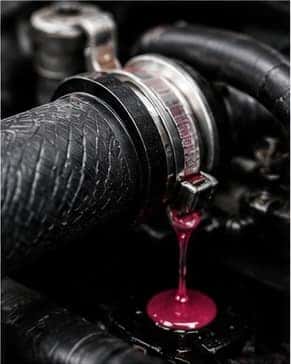
Coolant spots or puddles under your vehicle can indicate a leak that should be diagnosed before the system loses pressure.
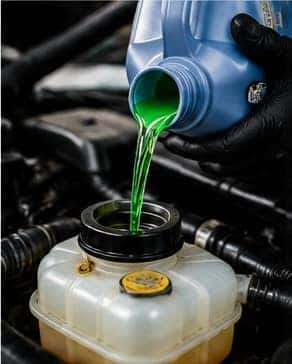
Repeatedly low coolant levels can indicate a leak or another cooling system problem that needs attention.
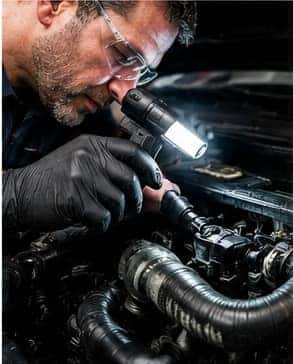
A temperature gauge that fluctuates or behaves differently than normal may indicate a thermostat or circulation problem.
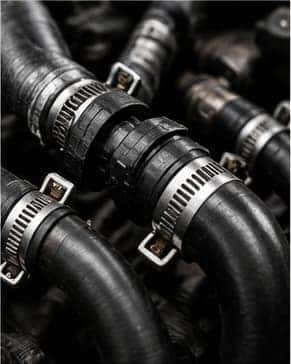
A sweet coolant odor around the engine compartment can be a sign of a coolant leak.
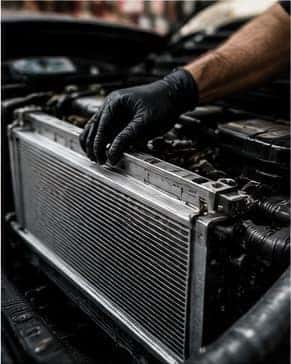
Restricted airflow, corrosion, damage, or coolant-flow issues can reduce radiator performance and lead to overheating.
From cooling system inspection and leak diagnosis to radiator, coolant, thermostat, water pump, and cooling fan service, our team can help identify the cause of the problem and recommend the appropriate repair.
Comprehensive inspections help identify leaks, worn components, and performance concerns before they become major repairs.
Schedule Inspection →
Diagnose and repair radiator leaks, corrosion, damage, and coolant-flow restrictions.
Schedule Service →
Remove contaminated coolant and restore proper cooling system protection and performance.
Schedule Coolant Service →
Identify coolant leaks and cooling-system concerns before they lead to overheating or additional engine damage.
Schedule Diagnostics →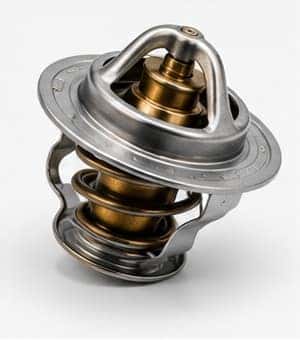
Test and replace worn thermostats to help restore proper engine temperature control.
Schedule Service →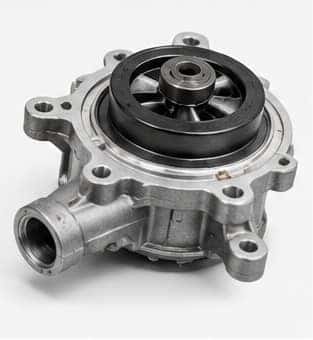
Service cooling components responsible for coolant circulation and airflow through the radiator.
Schedule Service →Our service team combines factory-trained expertise, professional diagnostic equipment, OEM Mopar parts, and digital inspection capabilities to help keep your vehicle performing at its best.
Technicians trained to diagnose today's sophisticated vehicle cooling systems.
Genuine parts are available for applicable Chrysler, Dodge, Jeep and Ram cooling-system repairs.
Professional equipment helps identify overheating, coolant, radiator, and component concerns.
Service recommendations can be supported by detailed inspection information.
Experience servicing Chrysler, Dodge, Jeep and Ram vehicles.
Eligible repairs are supported by applicable warranty coverage.
Today's vehicles rely on sophisticated cooling systems to regulate engine temperature. The radiator, coolant, thermostat, water pump, cooling fan, hoses, and related components all work together to protect the engine.
Whether you drive a Chrysler Pacifica, Dodge Durango, Jeep Grand Cherokee, Jeep Wrangler, Ram 1500, Ram 2500, or another vehicle, proper cooling-system maintenance can help protect engine performance and prevent avoidable overheating problems.
Cooling system service intervals vary by vehicle, coolant type, driving conditions, climate, and manufacturer recommendations. There is no single service interval that applies to every vehicle.
A professional cooling system inspection can help determine whether the concern is related to the radiator, coolant, thermostat, water pump, cooling fan, hoses, or another component.
Schedule A Cooling System Inspection →Common causes include coolant leaks, radiator failure, thermostat issues, low coolant levels, and water pump problems.
Many vehicles require coolant service every 30,000 to 100,000 miles, depending on manufacturer recommendations.
No. Continuing to drive while overheating can result in severe engine damage.
Coolant puddles, low coolant levels, overheating, and visible radiator damage are common warning signs.
A coolant flush removes old coolant, contaminants, and deposits from the cooling system.
Low coolant levels can reduce cooling efficiency and cause engine overheating.
Yes. We service virtually all makes and models.
Yes. OEM and OEM-quality replacement parts are available for cooling system repairs.
Cooling system performance is connected to several other maintenance and vehicle systems. Explore additional service options available through Turlock Chrysler Dodge Jeep Ram.
Whether your vehicle is overheating, losing coolant, or showing signs of a cooling-system concern, the service team at Turlock Chrysler Dodge Jeep Ram can help diagnose the problem.
Schedule Cooling System Service